









How Dropshipping Works (And Where It Fails)
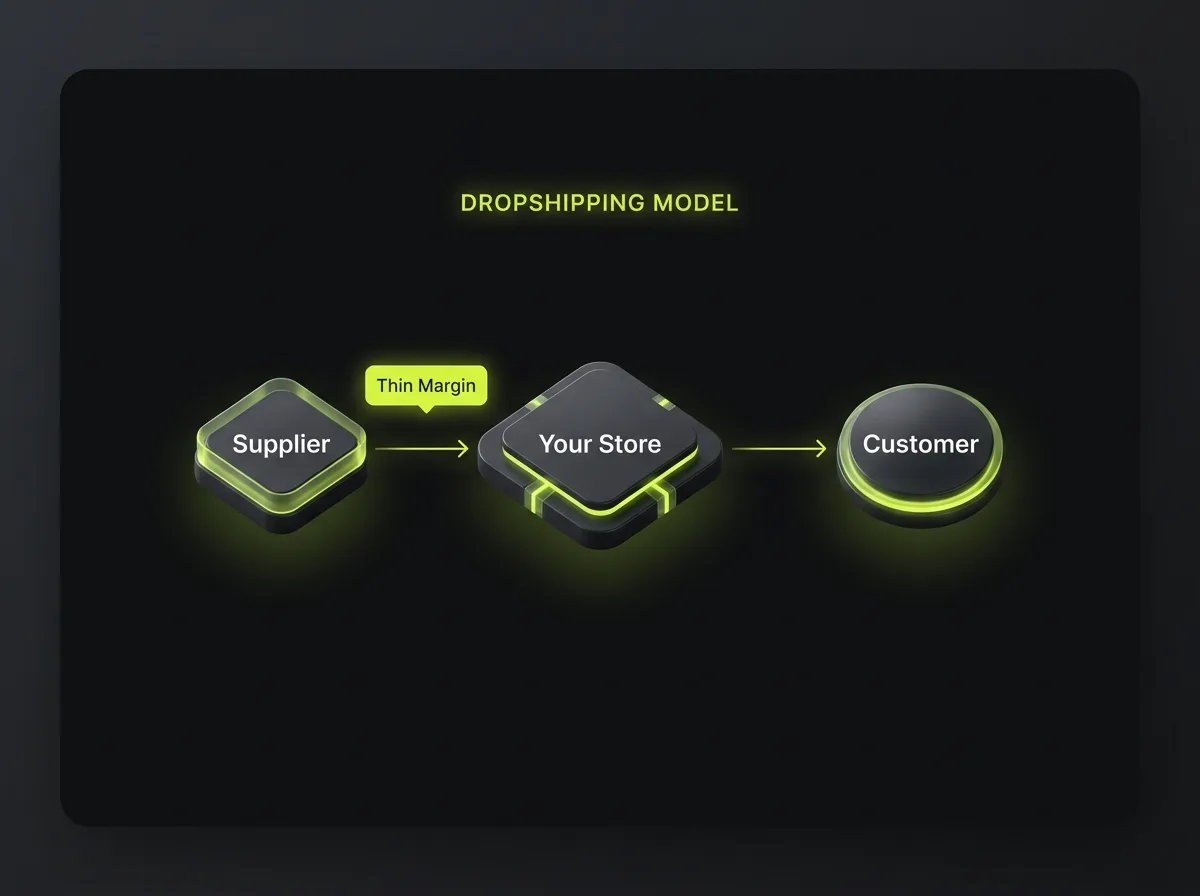
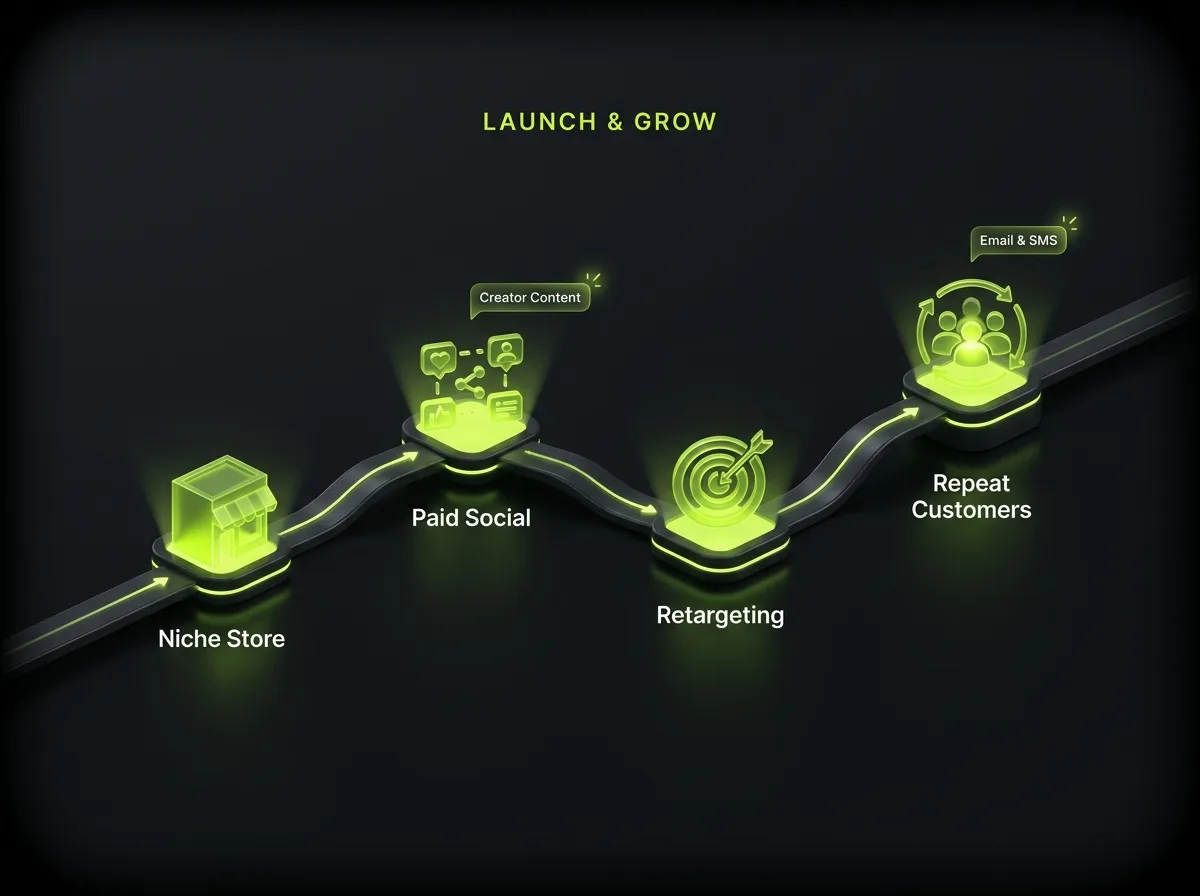
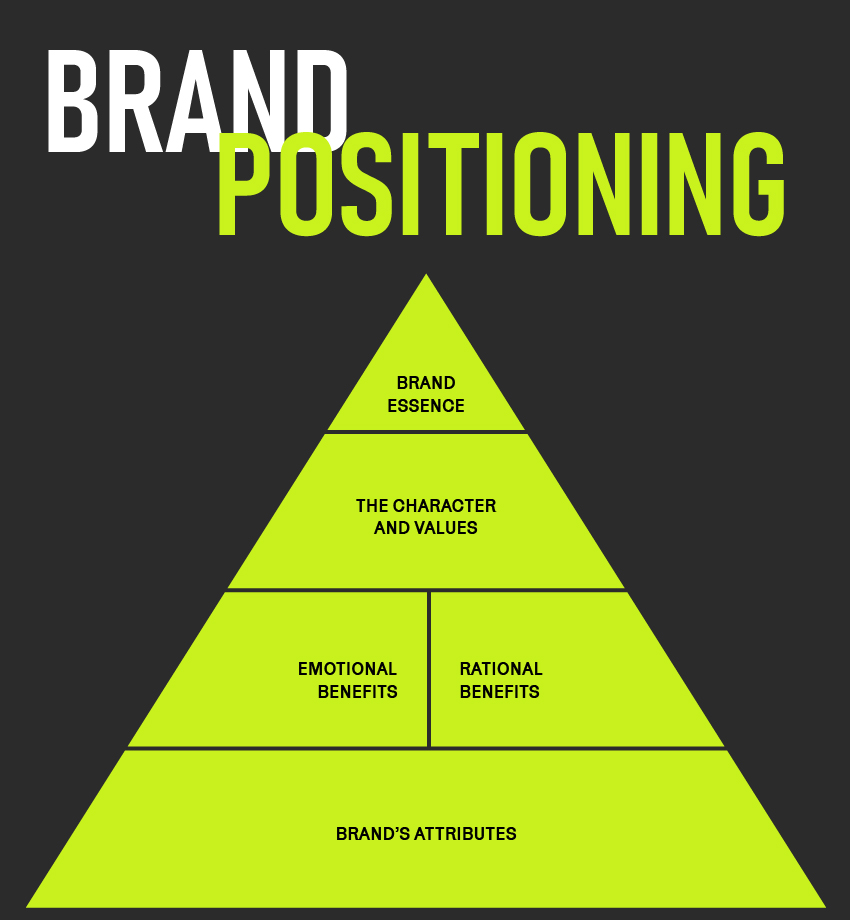
Dropshipping is a retail model where you sell products you never hold: a customer orders from your store, you forward the order to a supplier, and the supplier ships it directly to the customer. Your margin is the gap between what you charge and what the supplier charges, minus the cost of getting the customer there. The appeal is real, low upfront cost and no inventory risk, but so is the catch, and we would rather you hear it before you spend. Because anyone can list the same product from the same supplier, the model has almost no barrier to entry, which compresses margins and means your real moat is marketing, brand and customer experience, not the product itself.
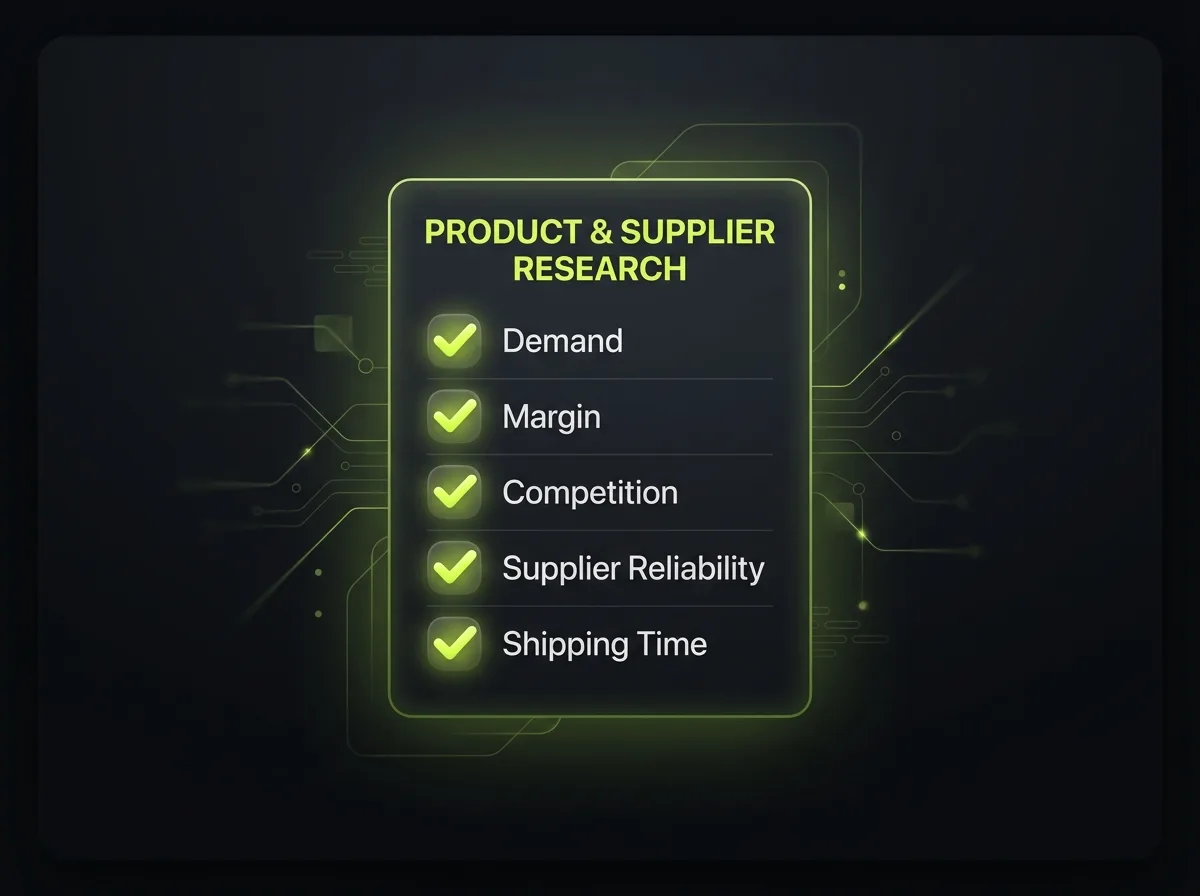
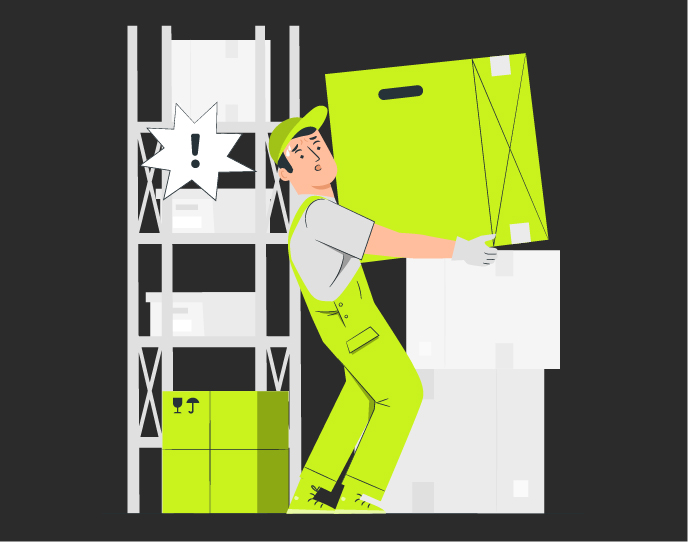
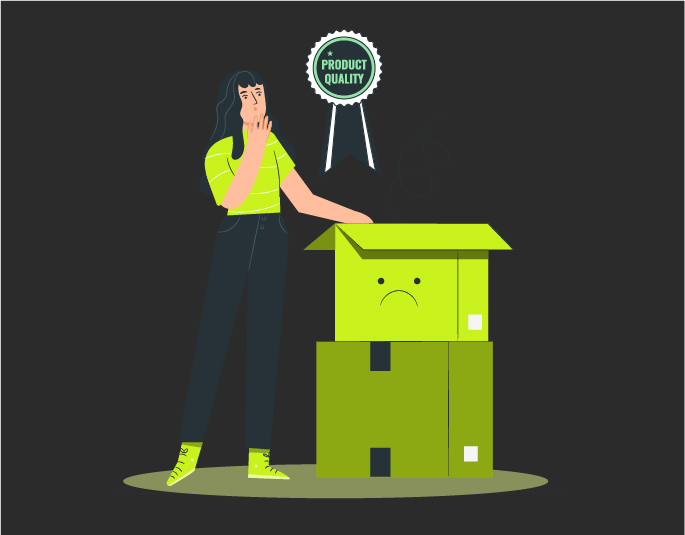
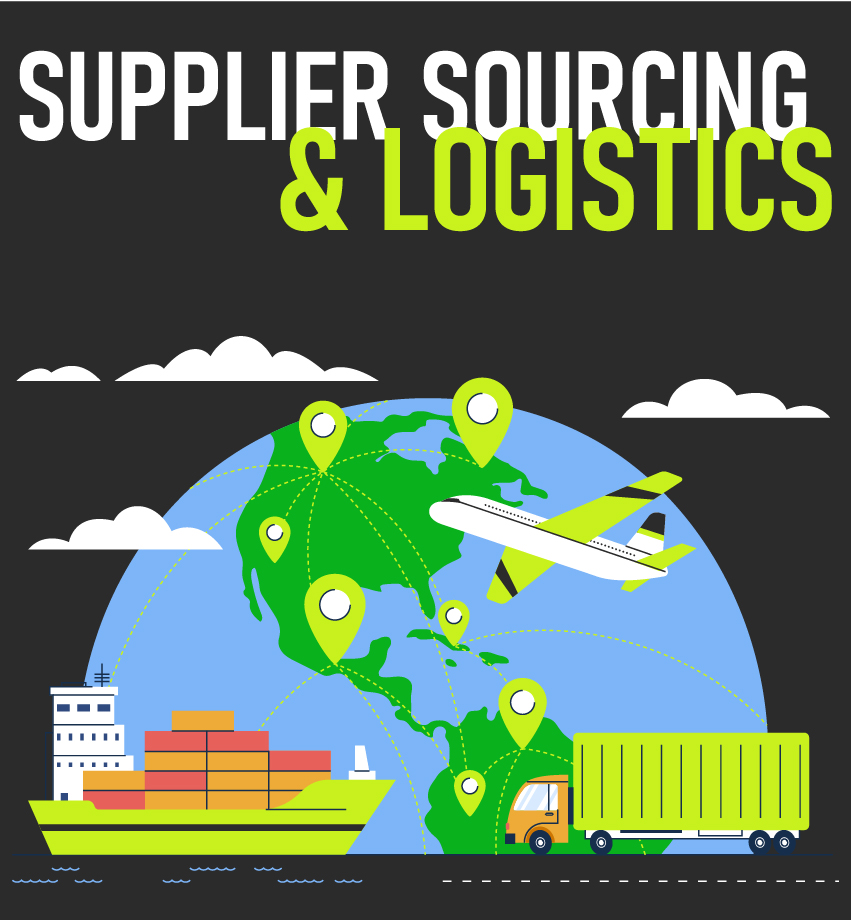
Where dropshipping fails is predictable, so it is avoidable. Long shipping times from overseas suppliers frustrate customers used to fast delivery and drive refunds and bad reviews. Quality you cannot inspect because you never touch the product leads to returns you did not see coming. Thin margins evaporate the moment ad costs rise or duties bite. And the race-to-the-bottom on generic products means competing on price against sellers who will always undercut you. The businesses that survive treat dropshipping as a real retail operation with honest expectations, not a passive money machine, and they fix the shipping and quality problems deliberately. That is exactly where we focus, alongside the broader growth work on our ecommerce marketing services.