
What Agentic Automation Actually Is
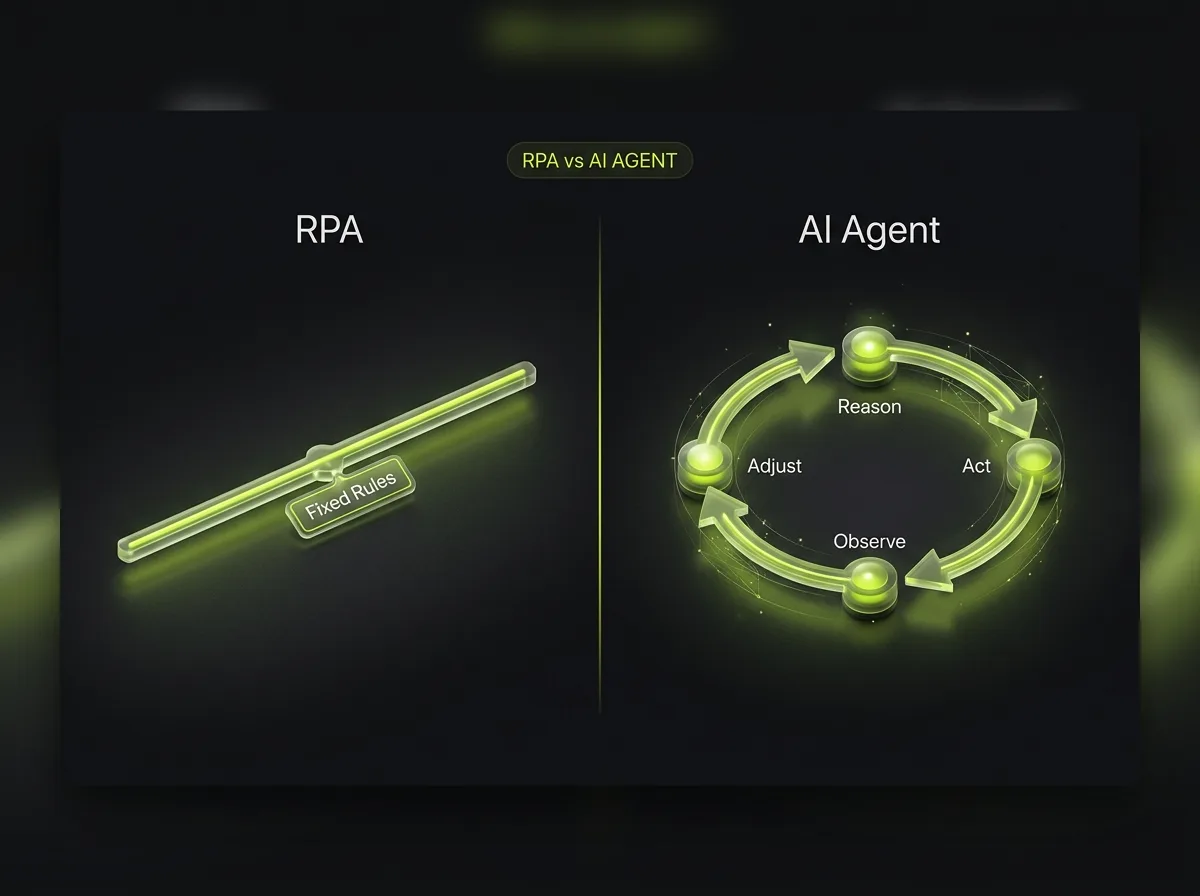
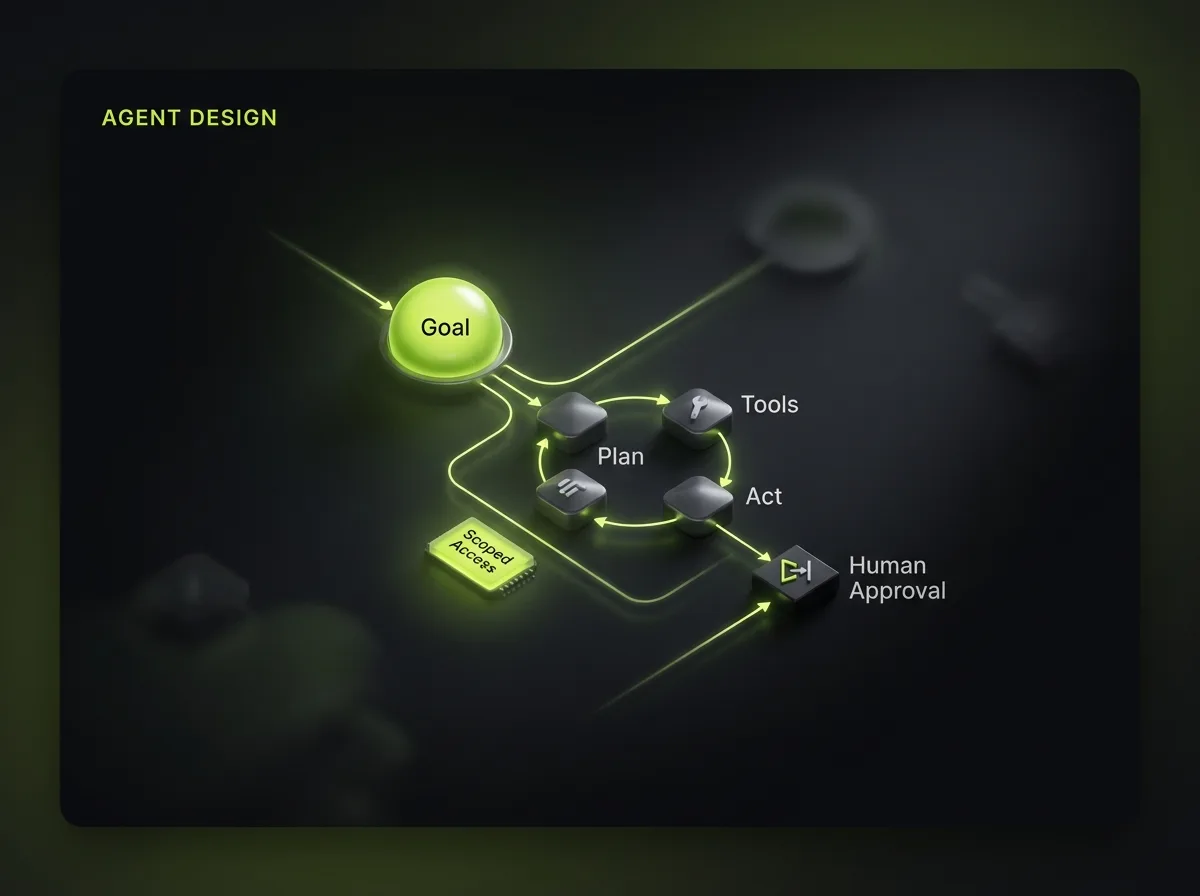
Traditional automation, including robotic process automation or RPA, follows a fixed script: if this exact thing happens, click here, copy that field, paste it there. It is fast and reliable for stable, predictable tasks, and it breaks the moment the form changes, the input is messy, or a step needs a judgement call. That brittleness is why so many RPA bots quietly fail and need constant babysitting. Agentic automation is different in kind, not degree. An AI agent is given a goal and a set of tools, then reasons about how to reach the goal, decides the next action, takes it, observes the result, and adjusts, looping until the task is done. It handles ambiguity and variation the way a junior staff member would, rather than collapsing at the first surprise.
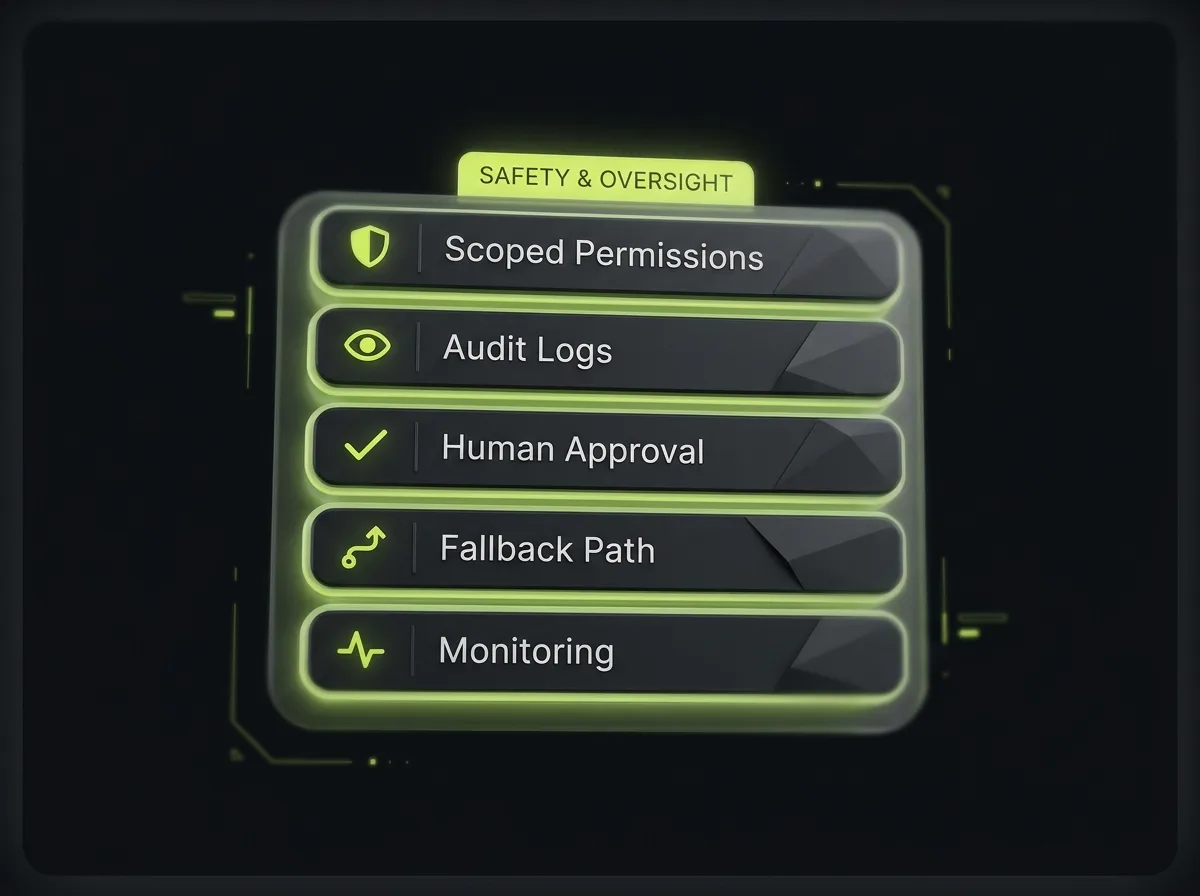
The practical distinction is reasoning plus action. A language model on its own can think but cannot do anything; RPA can act but cannot think. An agent couples a model's reasoning with real tool access, calling APIs, reading and writing systems, searching documents, so it can both decide and execute. The honest caveat is that this flexibility is also a risk: an agent that can act can act wrongly, which is why oversight is built in from the start rather than added later. Agents are the action layer of the broader AI stack we cover on our AI development page, turning models and predictions into completed work.