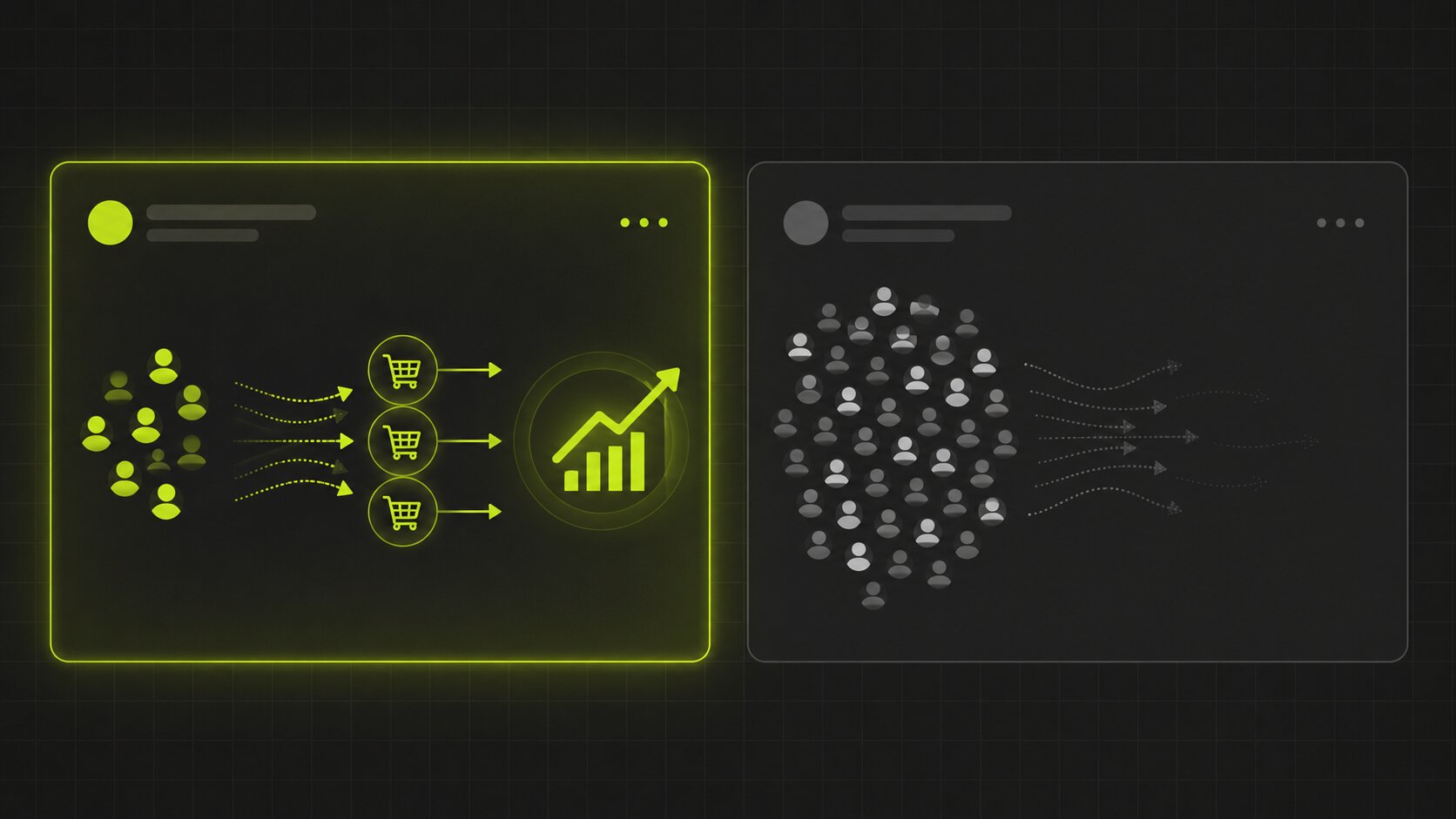
Influencer marketing has two reputations, and both are earned. For some brands it is the most efficient channel they run, producing customers at a cost paid media cannot match. For others it is a series of expensive posts that generated some likes, a brief spike in traffic, and nothing that reached the bank. The technique is the same in both cases. What differs is whether the fundamentals underneath it were right.
The reason this channel is so polarising is that its results depend almost entirely on a few decisions made before any content is created. Get those right and it pays back reliably. Get them wrong and no amount of creative or budget rescues the campaign. This is about what those decisions are, and how to tell in advance which side you are going to land on.
What you are actually buying
The thing being purchased is not reach. It is borrowed trust. A creator has spent years building a relationship with an audience that believes them, and a partnership rents a slice of that belief for a moment. That is why it can outperform ordinary advertising: a recommendation from someone you follow lands very differently from an ad from a company you do not know.
Understanding this reframes everything about how you choose partners. If trust is the asset, then anything that damages it destroys the value you are paying for. A creator whose audience feels sold to, or who promotes anything that pays, has less to lend you, however large their following. The strength of the relationship matters more than the size of the audience.
Fit is the whole game
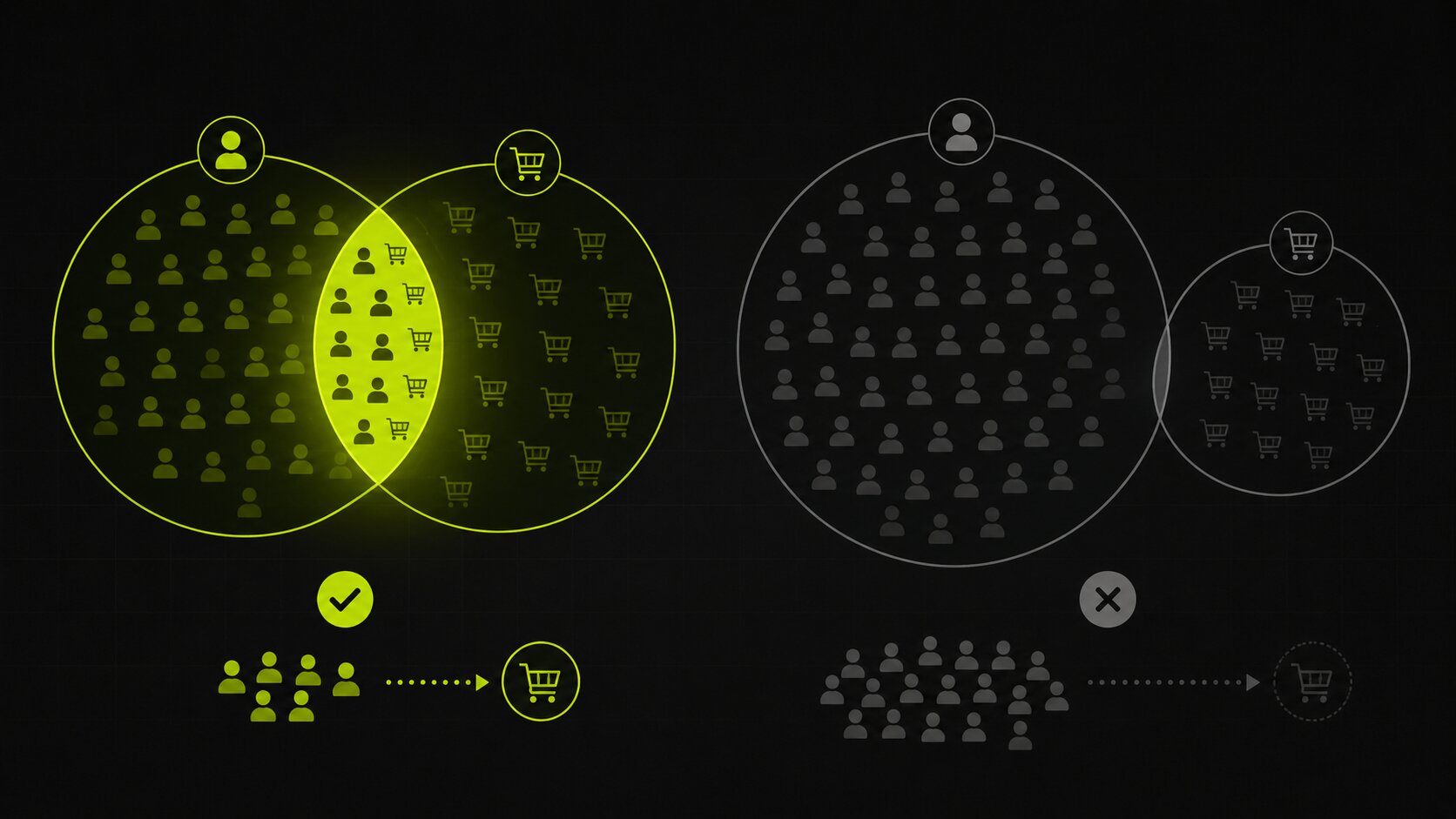
The single biggest predictor of whether a partnership pays back is whether the creator's audience genuinely overlaps with your customers. Not adjacent, not vaguely similar in age, but actually the people who would buy what you sell. A creator with a small, precisely relevant audience will usually outperform one with ten times the followers and a loose connection to your category.
This is where most wasted budget goes. Brands pick creators by follower count and aesthetic rather than by audience match, then wonder why a campaign that reached hundreds of thousands of people produced almost no sales. Reach without relevance is just a large number, and it is the most expensive kind of number to buy.
Micro creators and the engagement question
This is why smaller creators so often win on direct response. Their audiences tend to be closer, more engaged, and more likely to act on a recommendation, and they cost meaningfully less. Several well-matched micro creators frequently beat one large name for the same money when the goal is sales rather than fame.
That does not make big creators useless, only different. Large partnerships buy broad awareness and the credibility of scale, which is a legitimate goal when few people know you exist. The mistake is expecting one to do the other's job: reaching for a huge name to drive immediate conversions, or a handful of tiny ones to build mass awareness.
Why authenticity is a commercial requirement
Audiences are extremely good at spotting a paid post that the creator does not believe. When that happens the endorsement stops functioning as a recommendation and becomes an ad wearing a costume, which converts about as well as an ad and costs considerably more. The trust you were renting simply does not transfer.
Practically, that means letting creators speak in their own voice rather than reading your script, choosing partners who plausibly use what you sell, and accepting honest framing over polished claims. Brands that over-control the message tend to get technically compliant content that persuades nobody. The looser, more genuine version usually performs better precisely because it sounds like the person their audience follows.
Measure what the partnership caused
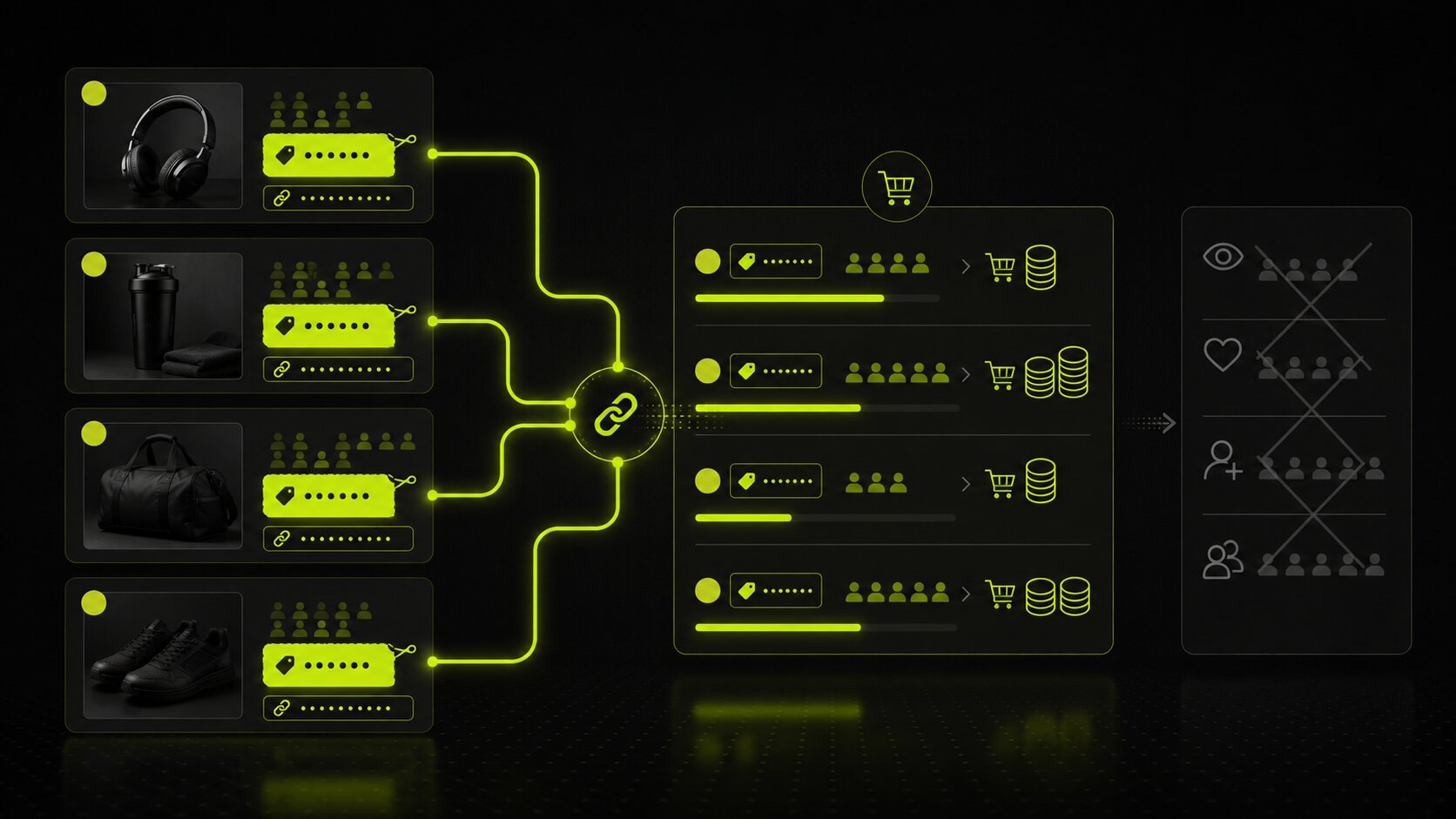
Most influencer marketing is measured badly, which is why so many brands cannot tell whether it worked. Views, likes, and follower counts are inputs, and they can be impressive while the business feels nothing. The useful question is always what this partnership caused that would not have happened anyway.
Making that traceable is straightforward if you plan for it: unique discount codes and dedicated links per creator, so sales attach to a specific partnership; lift comparisons that look at what changed while a campaign ran; and second-order signals like branded search and the share of buyers who are new. This measurement discipline sits at the centre of how we run influencer marketing, because a channel you cannot evaluate honestly is a channel you will eventually stop funding for the wrong reasons.
Content you can keep using
One of the most underrated returns has nothing to do with the creator's audience. Good creator content often outperforms brand-produced advertising when you run it yourself, because it looks like a person rather than a campaign. A partnership that also grants you usage rights gives you assets for paid social, product pages, and email long after the original post has scrolled away.
Brands that negotiate this deliberately extract far more value from the same spend, and it changes the arithmetic on partnerships that looked marginal on direct sales alone. It is worth deciding up front whether you are buying an audience, a library of content, or both.
How we approach it
We start with audience fit rather than follower counts, choosing creators whose people genuinely resemble your customers. We give creators room to sound like themselves, build tracking into every partnership so results are traceable, and negotiate usage rights so good content keeps working after the post. Then we judge the channel on what it caused, not on what it reached.
That discipline is what we bring across more than 500 brands in the US, UK, and Canada. As a global company with our headquarters in Delaware and teams in London and Gurugram, the aim is the same every time: partnerships that pay back in customers you can trace, rather than campaigns that look busy and prove nothing.
Where this leaves you
Influencer marketing pays back when you buy trust rather than reach, choose creators whose audience genuinely matches your customers, let them speak authentically, measure what the partnership actually caused, and keep the content working afterwards. It burns money when you pick by follower count, over-script the message, and settle for views as evidence. The channel is not unreliable; the decisions in front of it usually are. Get the fundamentals right and it becomes one of the most efficient ways to reach people who already trust the person recommending you. If you are unsure whether it fits your brand, tell us who you sell to and we will tell you honestly whether creators are the right route.
Frequently Asked Questions
Does influencer marketing actually work?
It works when there is a genuine fit between the creator's audience and what you sell, and it fails reliably when there is not. The mechanism is borrowed trust: people act on a recommendation from someone they already believe. That only transfers if the audience is real, engaged, and plausibly interested in your product, and if the creator's endorsement feels honest rather than bought. Get the fit right and it is one of the most efficient channels available; get it wrong and you are paying for impressions that convert nothing.
Are micro influencers better than big ones?
Often, yes, for direct response. Smaller creators tend to have closer relationships with their audiences, higher engagement relative to their size, and lower costs, which makes them efficient for driving action. Larger creators buy reach and credibility at scale, which suits brand awareness more than immediate sales. The right answer depends on the job: use bigger names when you need to be known widely, and smaller, well-matched creators when you need people to actually buy.
How do you measure influencer marketing ROI?
Tie each partnership to outcomes you can trace, not just the views it generated. Unique discount codes and dedicated landing links attribute sales to specific creators, and lift tests compare periods or audiences with and without a campaign. Beyond direct sales, watch branded search, new-customer share, and the content you can reuse in paid ads. Reach and impressions are inputs; the honest measures are what the partnership caused that would not have happened otherwise.
What is the difference between influencer marketing and UGC?
Influencer marketing buys access to someone else's audience: the creator posts to their followers and their credibility carries your message. UGC, or user-generated content, buys the content itself, which you then run through your own channels and paid ads. They are often confused because the same creators do both. The distinction matters commercially, because one is a media buy against an audience and the other is a content production deal, and they should be priced and measured differently.
How much does influencer marketing cost?
It varies enormously with the creator's size, niche, engagement, and what you are asking for, so any headline figure before those are known is meaningless. What matters more than the fee is the cost relative to what the partnership produces: a smaller creator charging modestly and driving real sales is far better value than a large one whose audience never converts. Judge on outcome per pound spent rather than on the size of the invoice or the follower count.
Want this done for your brand?
Tell us where you are and what you are trying to grow. We will reply with a straight read on your situation and what is worth doing first. No obligation, no lock-in.