
Technical SEO has a reputation for being the dull, invisible part of search, the plumbing nobody notices until it leaks. That reputation is exactly why it is so often neglected, and exactly why fixing it still moves rankings when flashier tactics do not. You can write the best content on the internet, but if search engines struggle to crawl your site, index the wrong pages, or load it slowly on a phone, that content never gets the chance it deserves.
None of this is glamorous, and most of it is not new. What has changed in 2026 is not the fundamentals but how little slack search engines give a site that gets them wrong. This is the short checklist of technical work that still genuinely affects whether you rank, stripped of the busywork that fills most audits.
Crawlability: can search engines reach your pages?
Before a page can rank, a search engine has to be able to find and read it. That sounds basic, and it is, which is why broken crawlability is such a common and costly problem. Pages blocked by accident, important sections buried many clicks deep, broken internal links, and a messy or missing XML sitemap all quietly keep pages out of search.
The fix is to make sure every page you want ranked is reachable through clean internal links and listed in an accurate sitemap, and that nothing important is blocked from crawling by mistake. If a crawler cannot get to a page, nothing else on this list matters.
Indexation: are the right pages indexed?
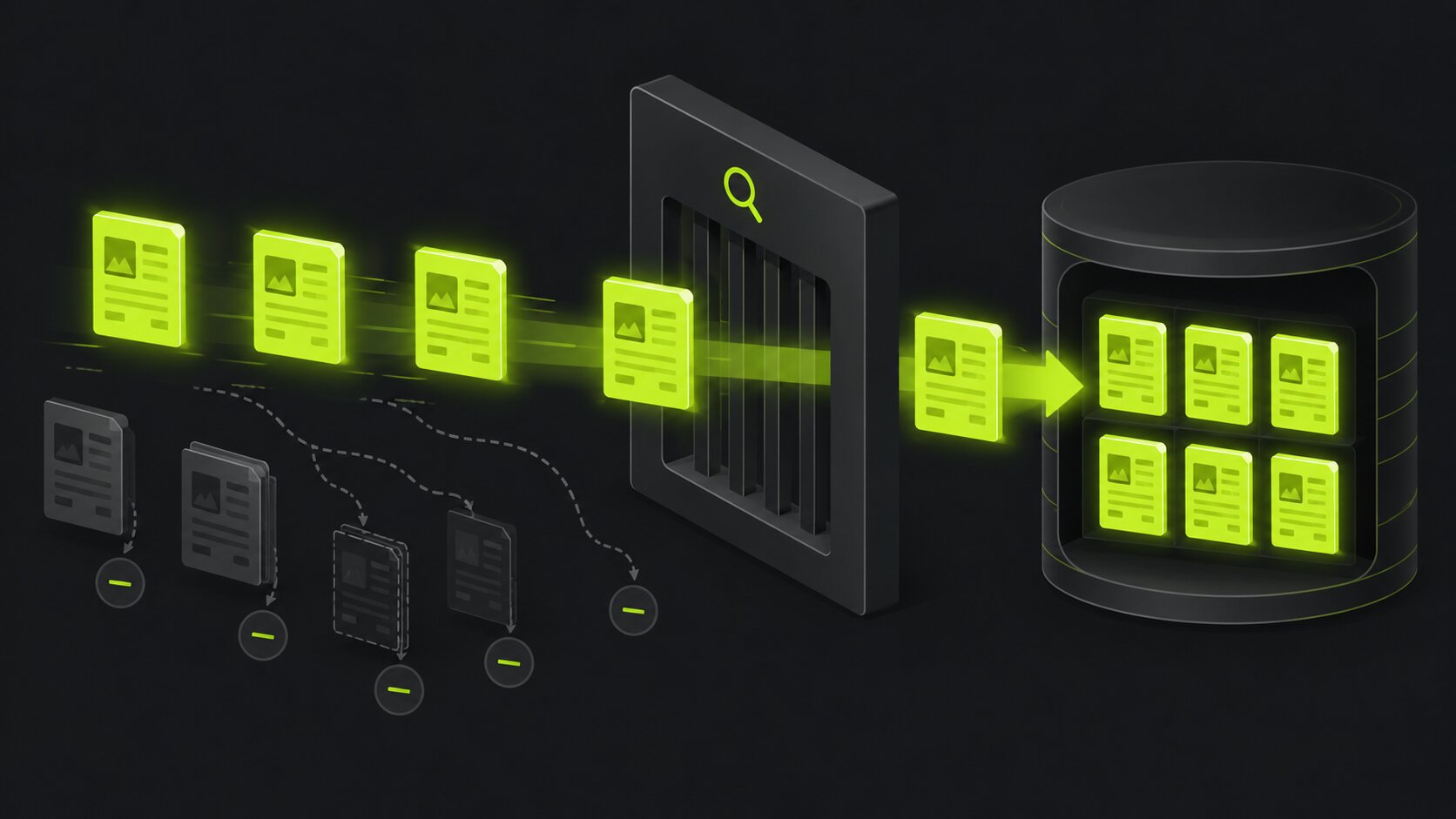
Being crawled is not the same as being indexed. A search engine decides which pages are worth keeping, and a healthy site helps it choose well. The two failure modes are opposite: important pages left out of the index, and low-value pages, thin tag archives, filtered duplicates, stray test pages, cluttering it up.
The aim is for your valuable pages to be indexed and the noise to be kept out, using the right signals to tell search engines what to keep and what to ignore. An index full of weak pages dilutes how a search engine sees your whole site.
Site speed and Core Web Vitals
Speed is one of the few technical factors users feel directly, and search engines pay attention to it for that reason. Core Web Vitals capture the experience that matters: how fast the main content loads, how quickly the page responds when someone interacts, and whether the layout stays stable instead of jumping around as it loads.
Improving them is rarely one fix. It is usually a combination of lighter images, less heavy script, better hosting, and removing the things that make a page lurch as it appears. The payoff is double, because a faster, steadier page helps rankings and keeps the visitors who would otherwise leave before they convert.
The basics that still matter
Some fundamentals are old enough to feel assumed, and are still wrong on a surprising number of sites. Your site should be served securely over HTTPS, work properly on mobile rather than merely shrinking to fit, and handle duplicate content cleanly so search engines are not splitting credit between several versions of the same page or guessing which URL is canonical.
None of these will win you a ranking on their own, but any of them, left broken, can hold you back no matter how good everything else is. They are the hygiene that lets the rest of your SEO work.
Structured data that earns its place
Structured data, or schema markup, is code that tells a search engine exactly what a page is in a language it reads cleanly. Marking up an article, a product, an FAQ, or a local business removes ambiguity and can make a page eligible for richer results. As AI systems increasingly try to interpret pages, that clarity matters more every year.
The discipline is to mark up what genuinely reflects the page rather than stuffing in schema to game results, which helps nobody and can backfire. Used honestly, structured data is one of the highest-leverage technical additions available, because it makes your content easier for machines to trust.
How to actually run this

A checklist is only useful if it becomes a habit rather than a one-off cleanup. Technical health drifts as a site grows and as search engines change what they expect, so the work is a cycle: audit to find issues, prioritise by impact, fix the ones that matter, and monitor so new problems are caught early instead of months later. Most of the value is in fixing the few things that genuinely hold a site back, not in clearing every minor warning a tool reports.
That prioritised, ongoing approach is how we run technical SEO inside our broader SEO services, because a site that is crawlable, fast, properly indexed, and clearly marked up gives every other piece of SEO work a foundation to build on. Get the foundation right and content and authority finally get to do their job.
Where this leaves you
Technical SEO is not the exciting part of search, and that is exactly why it remains one of the most reliable ways to improve rankings: plenty of sites still get it wrong. Make sure search engines can crawl your pages, index the right ones, load them fast on mobile, and understand them through clean structured data, and handle the old basics of HTTPS, mobile, and duplicates properly. None of it is flashy, but together it removes the ceiling that technical problems quietly place on everything else. If you want to know what is actually holding your site back, tell us your domain and we will show you the few fixes that would move the needle most.
Frequently Asked Questions
What is technical SEO?
Technical SEO is the work of making sure search engines can crawl, understand, and index your website properly. It covers the foundations beneath your content: how easily a crawler can reach your pages, whether the right ones get indexed, how fast the site loads, how it behaves on mobile, and how clearly the page tells a search engine what it is. Good technical SEO does not rank you on its own, but poor technical SEO quietly caps everything else you do.
What is the difference between technical SEO and on-page SEO?
On-page SEO is about the content of a page: the words, the headings, the keywords, and how well the page answers a query. Technical SEO is about the infrastructure that lets search engines access and trust that content in the first place: crawling, indexing, speed, mobile, structured data, and clean site architecture. They work together. The best content in the world underperforms if technical issues stop search engines from reaching or understanding it, and a technically perfect site still needs content worth ranking.
What are Core Web Vitals?
Core Web Vitals are a set of measures Google uses to judge real-world page experience, focused on loading speed, how quickly a page responds to interaction, and how stable the layout is as it loads. They matter because they are part of how Google assesses pages and, more importantly, because they reflect whether the experience feels fast and smooth to a real visitor. Improving them tends to help both rankings and conversions, since a slow, unstable page loses people regardless of search.
What is structured data, or schema markup?
Structured data is code you add to a page that describes its content to search engines in a standard, machine-readable format, often called schema markup. It does not change what users see, but it helps search engines understand exactly what a page is, an article, a product, an FAQ, a local business, and can make the page eligible for richer search results. It is one of the clearest ways to remove ambiguity about your content and is increasingly useful as AI systems try to interpret pages.
How often should you do a technical SEO audit?
A thorough audit at least once or twice a year is sensible for most sites, with lighter ongoing monitoring in between so problems are caught early rather than discovered months later. Larger or frequently changing sites need closer attention, because every release can introduce new issues. The goal is not a single perfect audit but a habit of watching crawlability, indexing, speed, and errors continuously, since technical health drifts as a site grows and as search engines change what they expect.
Want this done for your brand?
Tell us where you are and what you are trying to grow. We will reply with a straight read on your situation and what is worth doing first. No obligation, no lock-in.