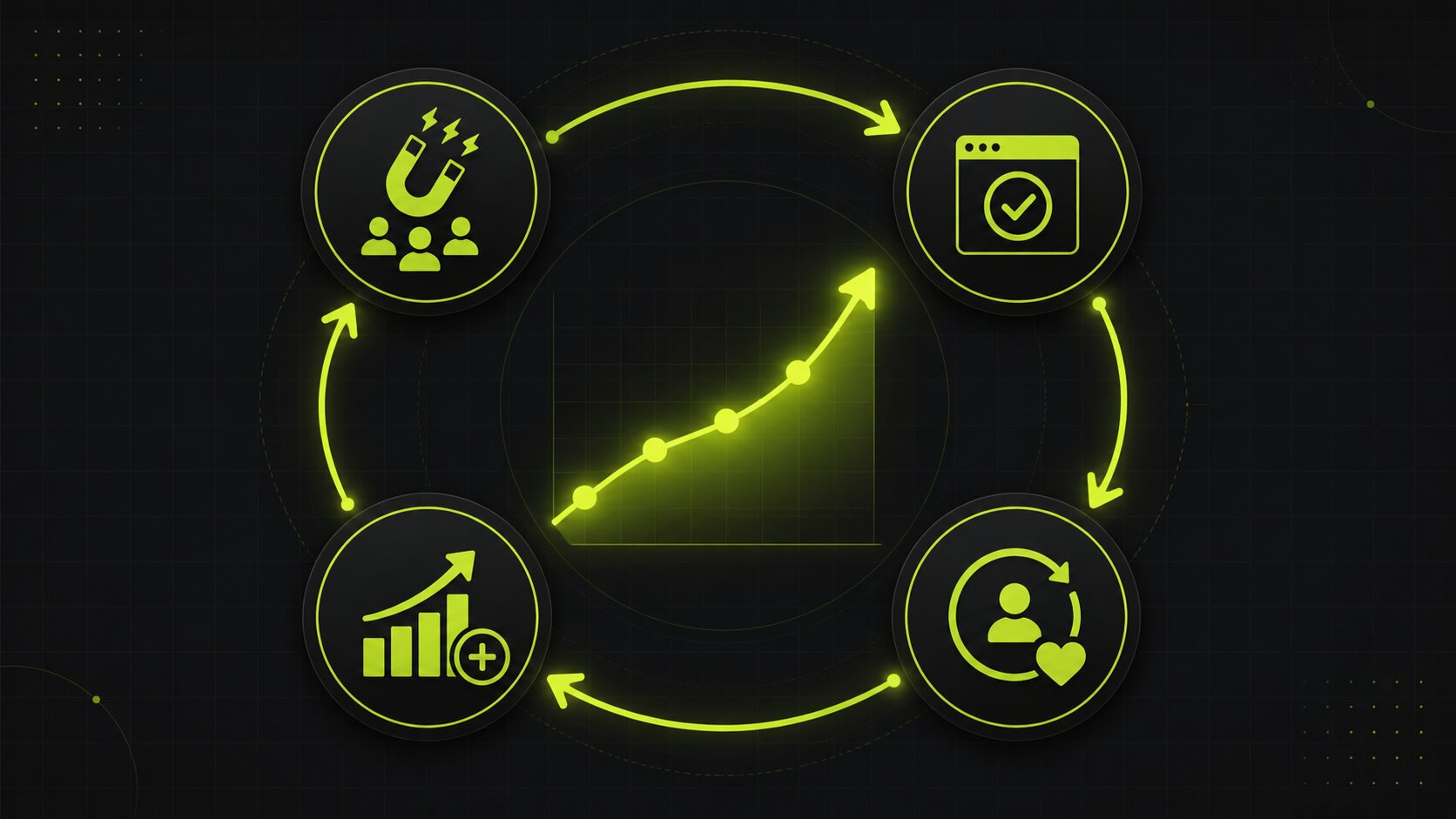
Most marketing is built around a single moment: convince someone to buy, and the job is done. That model fits a lot of businesses, where the sale is the finish line and the next customer is a fresh start. It fits software-as-a-service almost not at all. A SaaS company does not get paid once. It gets paid again every month or every year, but only if the customer stays, which quietly rewrites what marketing is even for.
This is why SaaS marketing has grown into its own discipline rather than a flavour of the general kind. The product earns its value over time, the customer can leave at any renewal, and a win that looks good on day one can turn into a loss by month three. An agency that treats a SaaS brand like an ecommerce store, chasing the cheapest possible signup, can hit every traffic target and still leave the business worse off.
Why SaaS marketing is its own discipline
The defining fact of SaaS is recurring revenue. A customer is not worth what they pay this month, but what they pay across the whole relationship, and that number only materialises if they keep finding the product worth paying for. So marketing cannot stop at the sale. It has to care about whether the people it brings in actually succeed with the product, because those are the ones who renew and the ones worth acquiring in the first place.
That reframes the entire goal. The aim is not the most signups at the lowest cost, it is the most of the right customers at a cost the lifetime value can support. A cheaper signup that churns in weeks is more expensive than a pricier one that stays for years, and getting that wrong tilts every other decision.
Marketing to the whole lifecycle, not just the sale
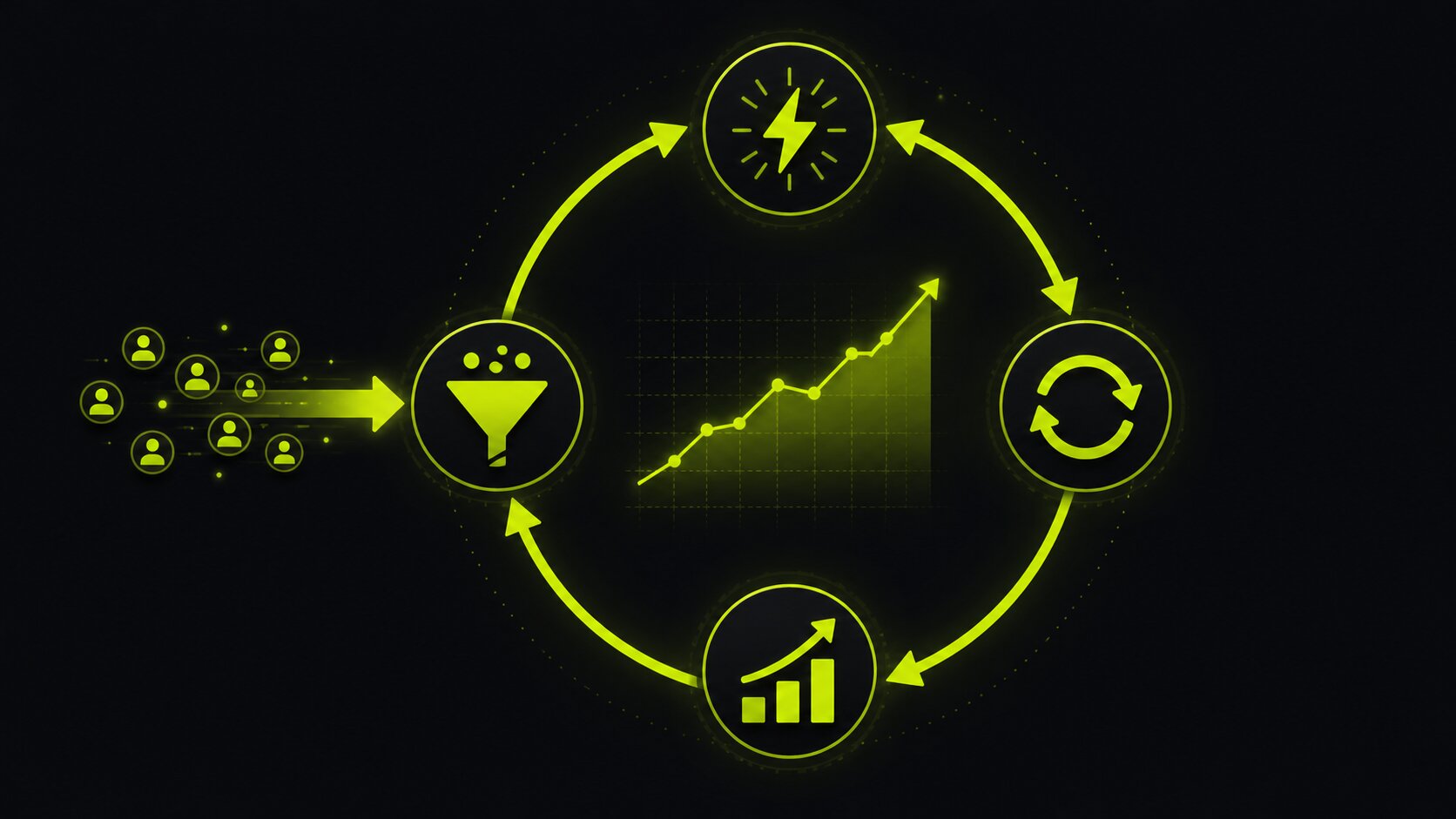
Because the money arrives over time, SaaS marketing has to work across the whole journey rather than just the top of it. Acquisition brings the right visitors in. Activation gets them to the first moment the product actually proves useful, which is where most trials are won or lost. Retention keeps them paying, and expansion grows what they pay as they get more value. Each stage feeds the next, and a weakness in any of them shows up later as revenue that never compounds.
Most teams over-invest in the first stage and neglect the rest. Pouring budget into signups while activation and retention leak is the most common way a SaaS company convinces itself marketing is working while growth stays flat. The stages after the sale are usually where the real return hides.
The metrics that actually matter
SaaS is unusually measurable, which is both a gift and a trap. The numbers that matter tie marketing to recurring revenue. Customer acquisition cost is what it takes to win a customer. Lifetime value is what that customer is worth over the relationship. The ratio between the two tells you whether the model holds together, and payback period tells you how long your cash is tied up before a customer pays for themselves.
Then there is churn, the rate at which you lose the revenue you already won, which can quietly undo all the acquisition in the world. Traffic and signups still matter as early signals, but reporting them alone is how a dashboard climbs while the business does not. The honest question is whether the revenue they represent is growing faster than the cost of winning and keeping them.
Product-led and sales-led, and knowing which you are
SaaS companies tend to grow in one of two ways, and the marketing changes completely depending on which. In product-led growth, the product does much of the selling through a free trial or free tier, and marketing's job is to get the right users to their first valuable moment fast. In sales-led growth, a person closes the deal, and marketing exists to generate and warm qualified pipeline for them. Many companies blend the two, but they still lean one way.
Running the wrong playbook is a quiet, expensive mistake. Optimising a sales-led business purely for self-serve signups, or starving a product-led one of the frictionless trial it needs, wastes budget in ways that take months to show up. Knowing which model you are actually running is the first thing a competent SaaS agency works out, because everything else depends on it.
Content that compounds

Recurring revenue rewards marketing that also compounds, which is why content and search matter so much in SaaS. A useful article, a clear comparison, or a guide that answers a real buyer question keeps working long after it is published, earning visits and trust without paying for each one. Over time that builds a durable base of organic demand that paid channels cannot replicate, and it does the quiet work of educating a buyer who is evaluating you carefully.
The catch is that it has to be genuinely useful rather than filler produced to hit a quota. Content that helps a prospective customer make a better decision is the same content search engines and AI assistants reward, and it is the kind that compounds. This is the thinking behind our approach to SaaS marketing, where the goal is demand that keeps paying back rather than a spike that fades.
What a SaaS marketing agency does differently
The difference is not the tools, it is the target. A SaaS agency starts from recurring revenue and unit economics, not from traffic, and it markets to the whole lifecycle rather than the moment of sale. It works out whether you are product-led or sales-led and runs the matching playbook. It measures itself by acquisition cost, lifetime value, payback, and churn, and it treats the wrong customers as a cost rather than a number to celebrate.
That discipline is what we bring across more than 500 brands in the US, UK, and Canada. As a global company with our headquarters in Delaware and teams in London and Gurugram, the aim is the same every time: growth a subscription business can rely on, built on customers who stay, not signups that flatter a report and disappear by the next renewal.
Where this leaves you
SaaS marketing is not general marketing with a software logo on it. It is the practice of growing a business that gets paid only as long as it keeps delivering value, which means caring about retention as much as acquisition and measuring success in revenue rather than visits. Market to the whole lifecycle, know whether you are product-led or sales-led, build content that compounds, and judge everything by the unit economics. If you would like a clear read on where yours stands, tell us how your product makes money and we will tell you, plainly, where the leaks and the opportunities are.
Frequently Asked Questions
What does a SaaS marketing agency do?
It markets a product that earns its money over months and years rather than in a single sale, so the work spans the whole customer lifecycle. That means filling the top of the funnel with the right visitors, turning them into trials or demos, helping them become paying customers, and supporting the retention and expansion that recurring-revenue businesses live on. A good SaaS agency ties all of that to revenue metrics rather than traffic, because in subscription software the sale is the start of the relationship, not the end of it.
How is SaaS marketing different from regular marketing?
Most marketing aims to win a purchase and move on. SaaS marketing has to win the purchase and then keep earning it every renewal, because the real value of a customer shows up over time, not on day one. That changes the priorities. Acquisition still matters, but so do activation, retention, and expansion, and a campaign that brings in users who churn in a month can actually lose money. The mechanics of SEO and ads are similar; the goals, metrics, and definition of success are not.
What metrics should SaaS marketing focus on?
The ones that connect marketing to recurring revenue. Customer acquisition cost tells you what it takes to win a customer; lifetime value tells you what that customer is worth over the relationship; the ratio between them tells you whether the model works. Payback period shows how long until a customer pays back their acquisition cost, and churn shows how fast you are losing the revenue you won. Traffic and signups are useful inputs, but on their own they can rise while the business stays flat.
What is product-led growth?
It is a model where the product itself drives acquisition and conversion, usually through a free trial or free tier that lets people experience the value before they pay. Marketing's job shifts toward getting the right users to that first valuable moment quickly and removing friction along the way. It is not the right fit for every product, since some software is too complex or too high-stakes to sell without a human conversation, but where it fits it can lower acquisition cost and shorten the path from interest to paying customer.
How do I choose a SaaS marketing agency?
Look for one that talks about recurring revenue, retention, and unit economics before it talks about traffic or leads, because that framing decides everything downstream. Ask how it measures success and listen for lifetime value, payback, and churn rather than visits alone. Check that it understands whether your growth is product-led or sales-led, since the playbooks differ. Be wary of anyone promising a flood of signups without asking whether those signups would stick, because in SaaS the wrong customers are a cost, not a win.
Want this done for your brand?
Tell us where you are and what you are trying to grow. We will reply with a straight read on your situation and what is worth doing first. No obligation, no lock-in.