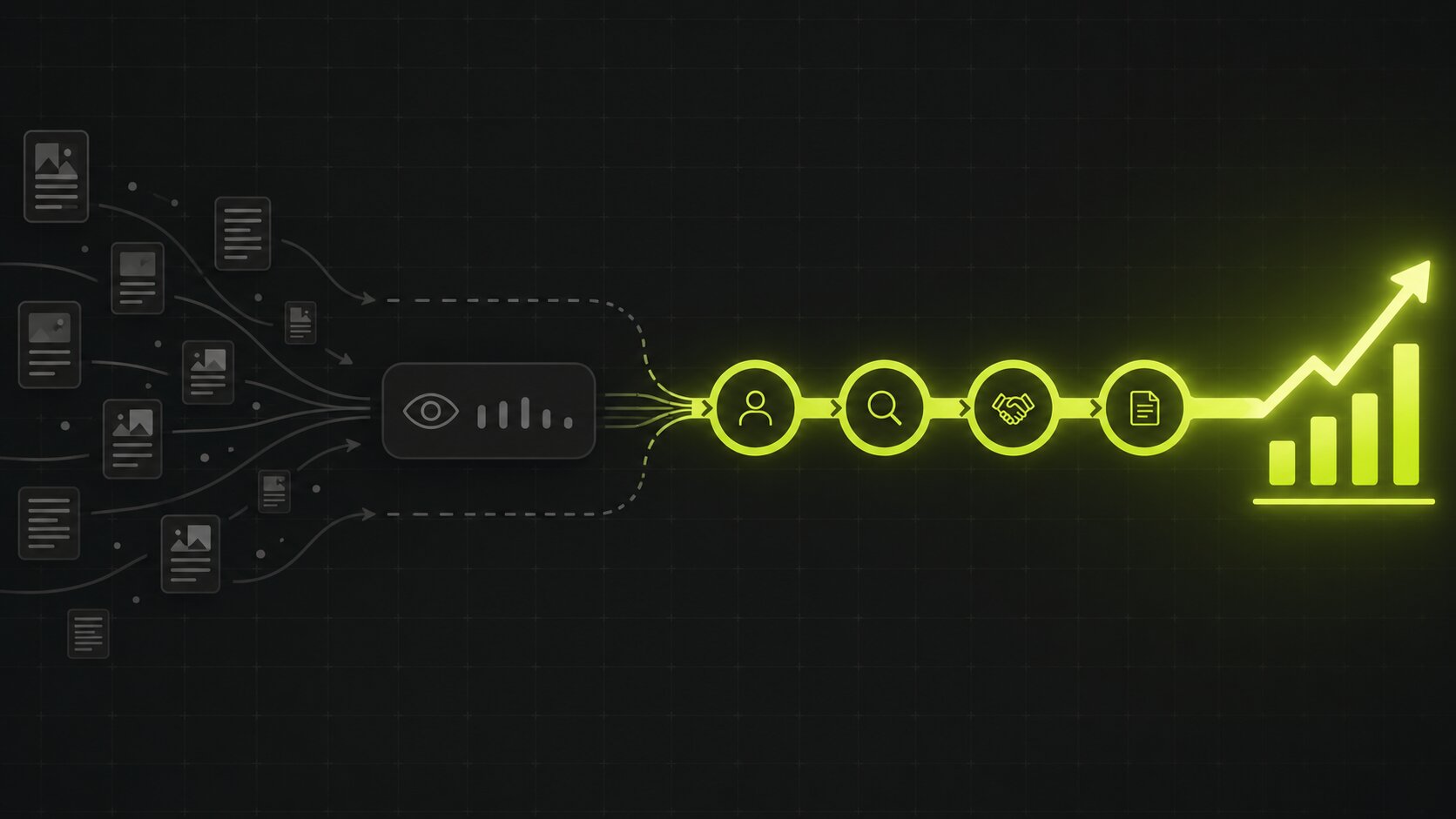
There is a particular kind of marketing report that looks wonderful and means almost nothing. Traffic is up. The blog is busier than ever. A post did unusually well last month. Everyone nods, the chart points the right way, and yet the sales team has not noticed any difference at all. The content is being read. It is just not bringing in customers.
This is the quiet failure mode of a lot of content marketing. It optimises for being seen rather than for being useful to a buyer, and pageviews become the goal instead of a side effect. Content that earns pipeline is a different craft. It starts from the customer you want and works backward to the material that helps them choose you, and it is measured by the demand it creates, not the attention it collects.
The pageview trap
Pageviews are seductive because they are easy to grow and easy to celebrate. Write about a broad, popular topic, chase a trending keyword, and the numbers climb. The problem is that broad and popular usually means far from buying. A lot of that traffic is people who will never need what you sell, arriving, reading, and leaving without a trace on the business.
None of this means traffic is worthless, only that it is an input and not a result. When the only number anyone reports is visits, you can spend a year producing content that performs beautifully on a dashboard and contributes nothing a salesperson can use. The trap is mistaking the sound of an audience for the presence of customers.
What pipeline content actually does
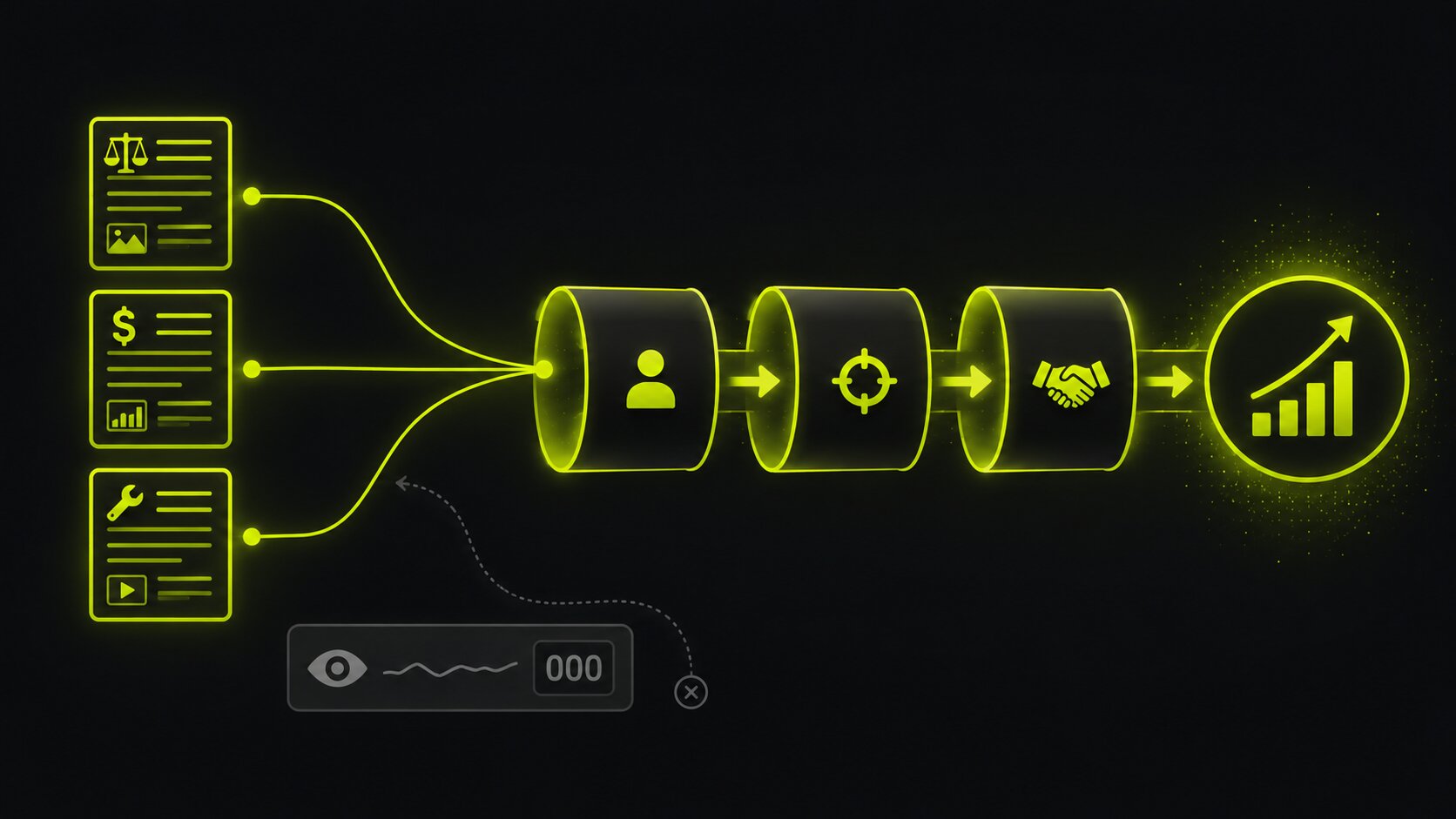
Content that earns pipeline answers the questions a buyer actually has on the way to a decision. It is the comparison between two approaches, the honest explanation of what something costs and why, the guide that helps someone scope a project, the page that addresses the specific worry stopping them from committing. This material attracts fewer people than a viral listicle, but the people it attracts are closer to buying and far more valuable.
It also does quiet work that never shows up as a click. A buyer evaluating you reads three of your articles, trusts you a little more each time, and arrives at a sales conversation already half-convinced. The content did not generate a tidy, trackable lead, but it shaped the deal all the same. That influence is the real product of good content marketing, even when it resists simple attribution.
Map content to the buying journey
A useful way to plan is to follow the buyer rather than the keyword. Early on, someone is still defining their problem and the language for it. In the middle, they are comparing approaches and starting to weigh specific options. Near the end, they want concrete detail: pricing logic, how implementation works, what switching costs look like, whether your other customers resemble them.
Most companies over-produce for the first stage and neglect the last. Broad educational posts are satisfying to publish and pull in traffic, but the late-stage pages about comparisons, pricing, and implementation are where intent is highest and competition is often thinnest. Covering the whole journey, and linking it so a reader can move from one question to the next, is what turns scattered articles into a path toward a purchase.
Distribution is half the job
Publishing is not the finish line, it is the halfway point. A piece that no one sees cannot influence anyone, and the assumption that good content markets itself is how a lot of strong material quietly disappears. The work of getting it in front of the right people, through search, email, social, and the communities your buyers already trust, is as important as the writing.
Search deserves particular attention because it compounds. A page that ranks for a question your buyers ask keeps earning qualified visits for years without paying for each one, and the same depth that helps a human reader is increasingly what makes an AI assistant comfortable citing you when a buyer asks it for options. Distribution is not an afterthought to the content; it is part of designing it.
Measuring content by pipeline, not traffic
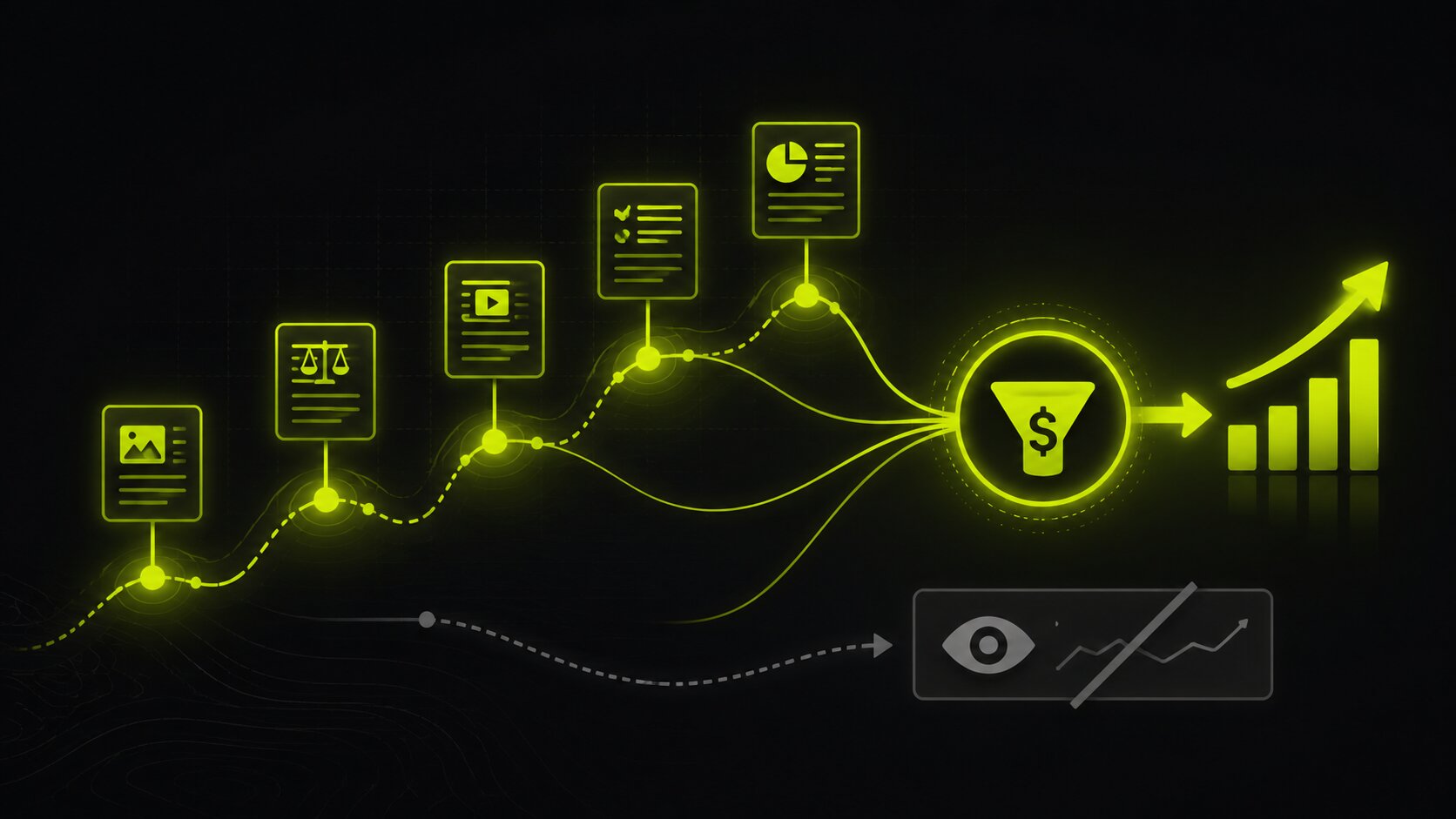
If you only take one idea from this, make it the measurement. Watch how much qualified demand content sources or assists, the deals it touched on the way to closing, and the organic visibility you hold on the commercial questions that lead to enquiries. These are harder to capture than a pageview count, which is exactly why so many teams default to the easy number and quietly lose the plot.
Because buying journeys are long and multi-touch, the right view is contribution over time rather than a single click credited with the whole sale. That lens is at the centre of how we approach content marketing, because a traffic chart can climb for a year while pipeline stays flat. Tie content to the demand it creates and you can see which pieces earn their place and which only earn views.
What a content marketing agency does differently
The difference is where the work starts. A content agency worth hiring begins with your buyers and your pipeline, not with a publishing quota. It plans around the questions that move a purchase, writes material genuinely useful enough to earn trust, distributes it deliberately, and reports on demand rather than word counts. An agency that sells you a fixed number of posts a month with no link to outcomes is selling activity, not results.
That discipline is what we bring across more than 500 brands in the US, UK, and Canada. As a global company with our headquarters in Delaware and teams in London and Gurugram, the aim is consistent: content that earns pipeline you can measure, not a busier blog that flatters a report while sales waits for something to change.
Where this leaves you
Content marketing is not a volume game and it is not a popularity contest. It is the practice of building material that helps the right buyers choose you, placed where they will find it, and measured by the demand it creates rather than the attention it collects. Start from the customer, cover the whole buying journey, take distribution as seriously as writing, and judge the work by pipeline. Do that and content becomes a dependable source of qualified demand instead of a chart that rises while the business stays still. If you would like an honest read on which of your content is earning pipeline and which is only earning views, tell us what you sell and we will show you where the gap is.
Frequently Asked Questions
What does a content marketing agency do?
A good one builds content that moves your business, not just your traffic chart. That means understanding who your buyers are and what they need to know before they purchase, creating the articles, guides, and comparisons that answer those questions, and placing that content where the right people will find it. The work is judged by whether it produces qualified demand and pipeline, not by raw visits, because traffic that never turns into customers is a cost dressed up as a result.
What is the difference between pageviews and pipeline?
Pageviews count how many times your content was seen. Pipeline counts the qualified opportunities and revenue that content helped create. The two can move in completely opposite directions. A viral post can send your pageviews soaring while producing no customers, and a quiet comparison page read by a few hundred serious buyers can generate real revenue. Pageviews are an input worth watching, but pipeline is the outcome that actually pays for the work.
How do you measure content marketing ROI?
By tying content to the demand and revenue it influences rather than to traffic alone. Useful measures include the leads and qualified opportunities that content sourced or assisted, the deals where a piece of content was an early or deciding touch, and the organic visibility you hold on the commercial questions your buyers actually search. Because buying journeys are long and involve several touches, the honest view is contribution and influence over time, not a single click credited with the whole sale.
How long does content marketing take to work?
Longer than paid ads and worth the wait, because its returns compound. Useful content keeps earning visits and trust for years after it is published, so the value builds rather than stopping when a budget does. Early signs like rankings and engagement can appear within a few months, while the fuller payoff in authority and pipeline accumulates over a longer stretch. Anyone promising instant results from content is misunderstanding why it works, since the whole advantage is that it lasts.
How do I choose a content marketing agency?
Look for one that asks about your buyers and your pipeline before it talks about how many articles it will publish, because volume is not the point. Ask how it measures success and make sure the answer involves demand and revenue, not just traffic and word counts. Check that it plans content around the questions buyers ask across a real buying journey rather than chasing whatever keyword looks easy. Be wary of anyone selling a fixed number of posts a month with no link to outcomes, because that is content as a commodity, not a strategy.
Want this done for your brand?
Tell us where you are and what you are trying to grow. We will reply with a straight read on your situation and what is worth doing first. No obligation, no lock-in.