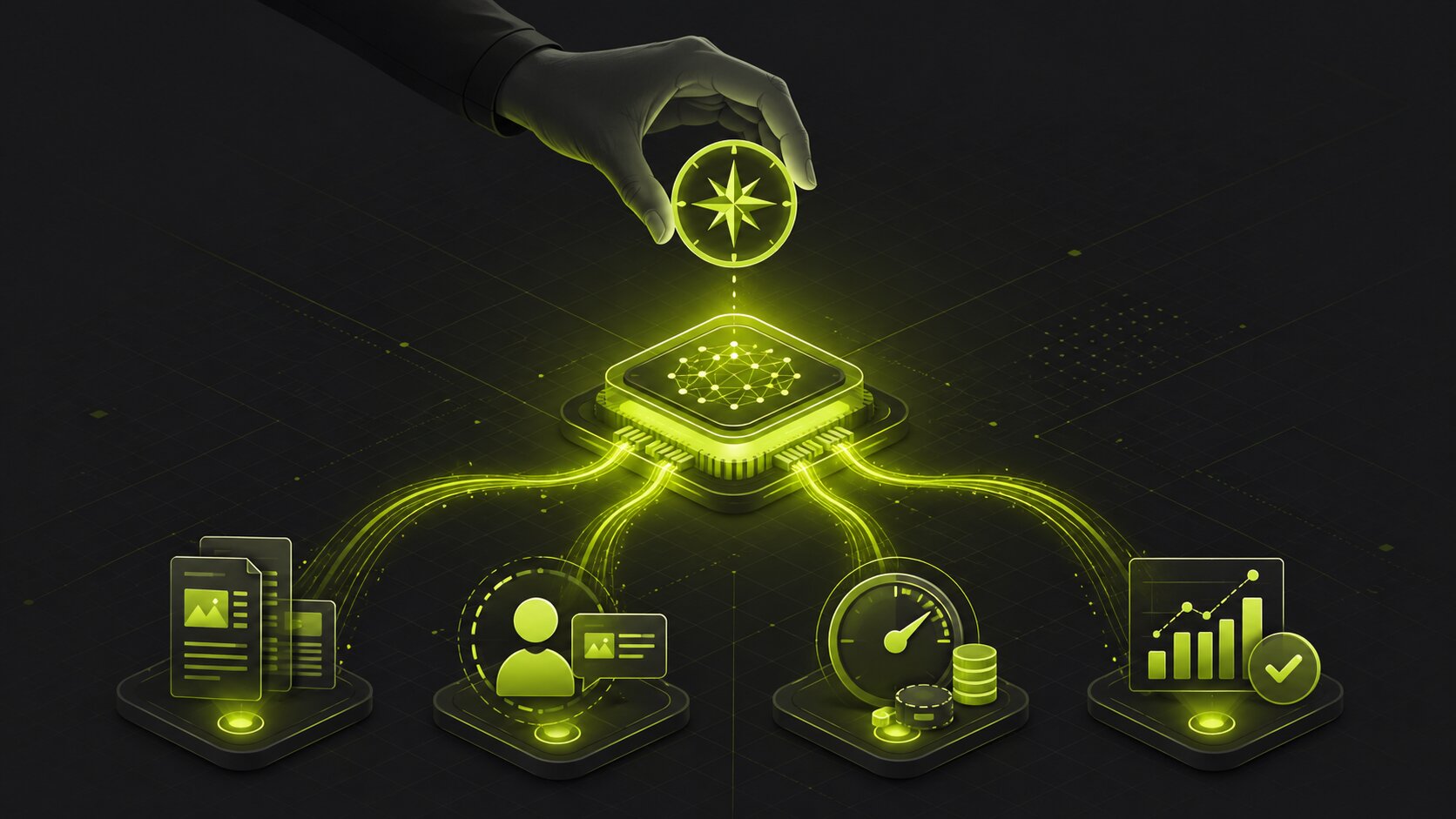
Every marketing tool on earth now describes itself as an AI platform, and most of the descriptions read the same: it will run your campaigns, write your content, know your customers, and grow your revenue while you watch. Somewhere between that pitch and reality sits the actual technology, which is genuinely impressive at some jobs and nowhere near others. Knowing which is which has become a real commercial skill.
The honest picture is worth having, because the real capabilities are valuable enough without the exaggeration. A good AI marketing platform automates a specific set of work that used to consume most of a team's week. It does not automate marketing itself. This piece is about that line: what these platforms actually do well, and what still belongs to people.
The hype problem
The gap between promise and product exists because AI became a selling word before most buyers could evaluate it. Vendors learned that the claim itself closes deals, so everything from a simple scheduling tool to a genuine machine-learning system now wears the same label. The result is a market where the word AI tells you almost nothing about what a product does.
The way through is to ignore the label and ask what specific work the platform takes off your team. The platforms worth paying for have concrete answers: this content produced, this personalisation delivered, these decisions optimised, this analysis done. The ones to avoid answer in outcomes they do not control, promising growth rather than naming the work.
Content production, genuinely automated
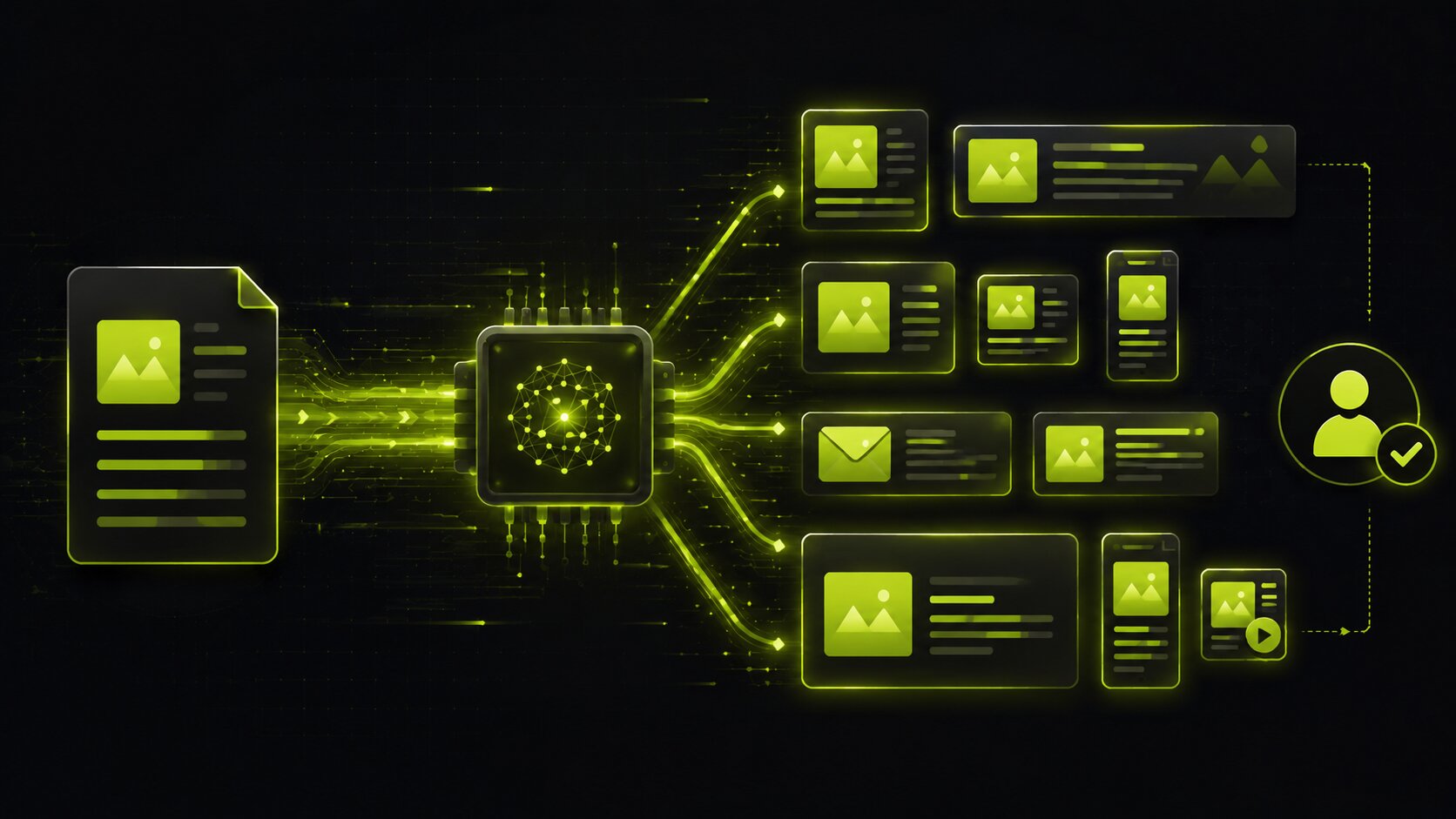
The clearest, most mature win is content. Modern AI drafts copy, adapts one piece into many formats, versions creative for different channels and audiences, and does it in minutes rather than days. The volume of production work that used to be the bulk of a marketing team's time genuinely can be automated now, and the quality has moved from embarrassing to solid.
The caveat matters though: AI produces; it does not decide what is worth producing. The brief, the angle, the standard of taste, and the final check all still need a human who knows the brand and the audience. Teams that treat AI as a tireless production engine under human direction get remarkable output. Teams that remove the human get volume without judgement.
Personalisation at inhuman scale
The second real capability is personalisation. No team can hand-tailor messages, offers, timing, and product recommendations to thousands of individual customers, and AI can, adjusting what each person sees based on what they have done and what similar customers responded to. This is work that simply did not happen before automation, because it could not.
Done well it makes marketing feel more relevant and less like broadcasting. The dependency is data: personalisation is only as good as the customer data feeding it, which is why the platforms that deliver here are the ones connected properly to how customers actually behave, not the ones guessing from a mailing list.
Optimisation and budget decisions
Third is the continuous adjustment that campaigns need: moving budget toward what is working, tuning bids, refining targeting, testing variants. Humans did this in weekly reviews; AI does it constantly, reacting to performance in something close to real time. For the mechanical layer of campaign management, the machine is simply better, because the job is fast, repetitive, and data-driven.
What the machine optimises toward, though, is still a human choice. Point it at the wrong goal and it will efficiently deliver the wrong outcome. The judgement about what success means, which trade-offs are acceptable, and when the numbers are lying stays with people, and the teams that skip that oversight learn it expensively.
Analysis: from data to answers
The fourth genuine win is analysis. Instead of dashboards someone has to decode, AI increasingly turns performance data into plain answers: what worked, what did not, what changed, and what looks worth trying next. The hours a team spent assembling reports collapse into minutes, and insight stops being rationed by how much analyst time you can afford.
As with everything else, the machine surfaces the picture; deciding what to do about it is still yours. But removing the grunt work between data and understanding is a real, everyday productivity gain, and it is one of the least hyped and most useful things these platforms do.
What AI does not automate
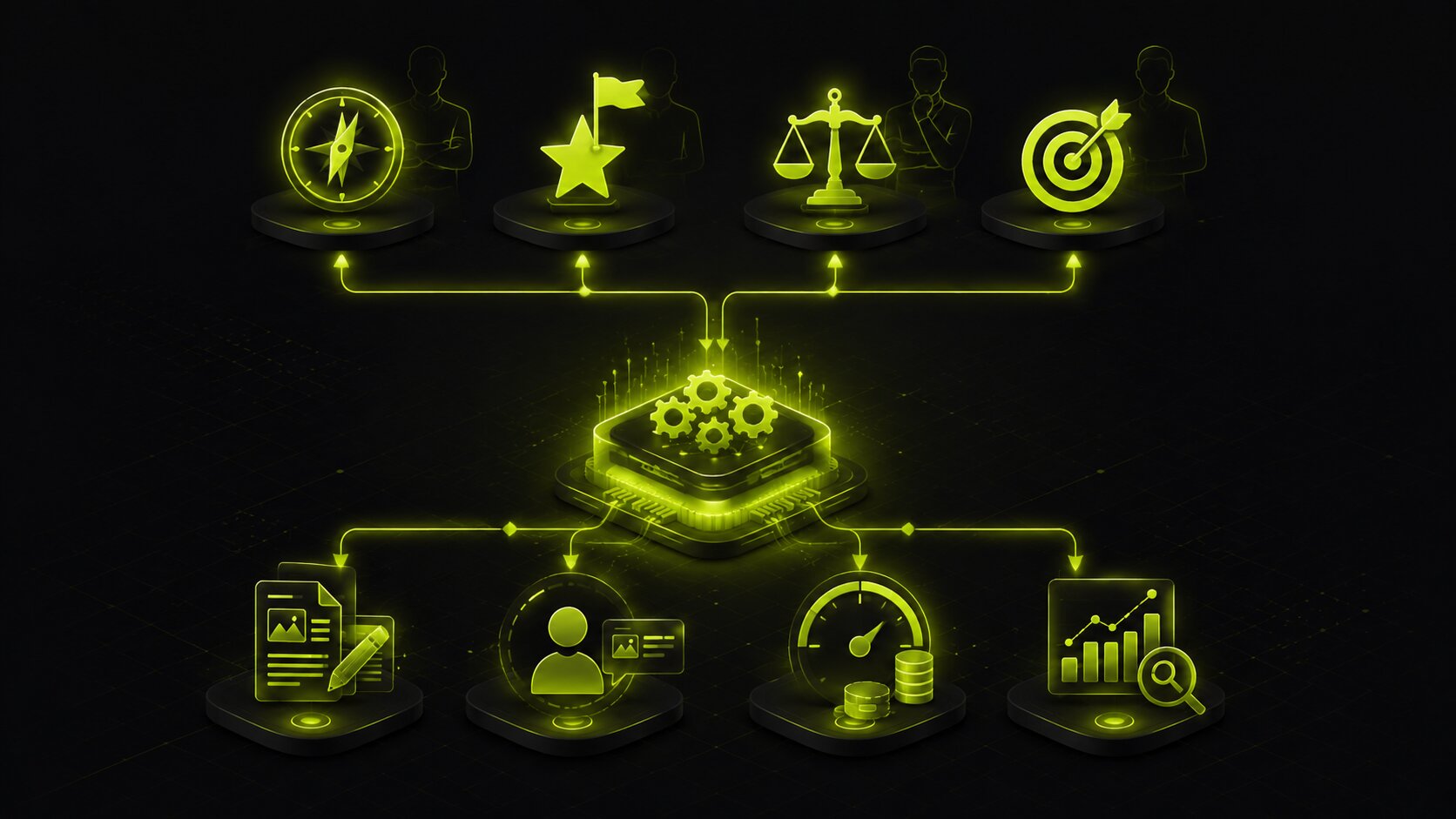
Now the other side of the line. AI does not know what your brand should stand for, who your best customers are, or what position you should own in your market. It cannot tell you whether an idea is right for the moment, or take responsibility when a call goes wrong. Strategy, taste, and accountability are not automation problems, and no platform, whatever its pitch, supplies them.
This is why the winners with AI marketing are not the companies that bought the most tools, but the ones with the clearest direction for the tools to execute. AI is a force multiplier on strategy: multiply a good one and you pull ahead; multiply a missing one and you produce noise at scale. Understanding where AI genuinely fits is central to how we approach AI for marketing, because the technology rewards exactly the businesses that know what they want from it.
How we approach it
We start with the direction, because that is what AI cannot supply: what the brand stands for, who it is for, and what the marketing is meant to achieve. Then we automate aggressively where the platforms genuinely deliver, content production, personalisation, optimisation, and analysis, so the humans spend their time on the judgement only they can provide.
That balance is what we bring across more than 500 brands in the US, UK, and Canada. As a global company with our headquarters in Delaware and teams in London and Gurugram, the aim is the same every time: AI doing the volume, people doing the thinking, and marketing that gets both the scale of the machine and the judgement of a team that knows the brand.
Where this leaves you
An AI marketing platform genuinely automates four things: content production, personalisation, campaign optimisation, and analysis. That is a large share of the work that used to fill a marketing team's week, and it is worth automating. What it does not automate is the part that makes the rest worthwhile: strategy, brand, judgement, and knowing your customer. Buy the automation for what it really does, keep the thinking human, and be suspicious of any pitch that blurs that line. Do that and AI makes your marketing dramatically more productive without ever being in charge of it. If you want to know where AI would actually pay off in your marketing, tell us how your team spends its week and we will show you honestly.
Frequently Asked Questions
What is an AI marketing platform?
An AI marketing platform is software that uses artificial intelligence to automate and improve parts of the marketing workload. In practice that usually means generating and adapting content, personalising what each customer sees, optimising campaigns and budgets as data comes in, and turning raw performance data into readable insights. The useful ones automate specific, well-defined jobs inside your marketing; the overhyped ones promise to run marketing for you, which no platform actually does.
What can AI marketing platforms actually automate?
Four things reliably. Content production: drafting, adapting, and versioning copy and creative far faster than a team can. Personalisation: tailoring messages, offers, and timing to individual customers at a scale humans cannot match. Campaign optimisation: adjusting bids, budgets, and targeting continuously as results come in. And analysis: turning performance data into plain-language answers instead of dashboards you have to decode. Those are real and valuable. Claims much beyond that deserve skepticism.
What can AI not do in marketing?
The parts that decide whether everything else is worth doing. AI does not know what your brand should stand for, which customers you should pursue, what positioning will win your market, or whether a campaign idea is right for the moment. Strategy, brand judgement, taste, and accountability stay human. AI executes and optimises brilliantly within a direction, but it does not set the direction, and platforms that imply otherwise are selling past what the technology does.
Do AI marketing platforms replace marketers?
They replace tasks, not the function. The repetitive production, adjustment, and reporting work that consumed most of a marketing team's week is increasingly automated, and teams that use it well get far more output per person. But the work that makes marketing effective, strategy, positioning, creative judgement, and knowing the customer, still needs people. The realistic picture is smaller teams doing higher-level work with AI handling the volume underneath, not marketing without marketers.
How do you choose an AI marketing platform?
Start from the jobs you want automated, not the demo. Identify where your team loses the most time, content production, personalisation, campaign management, or reporting, and evaluate platforms on how well they do that specific job with your data and your channels. Be wary of tools that claim to do everything, and check what it takes to feed the platform good data, because every AI tool is only as useful as what it works from. A focused tool that nails your bottleneck beats a broad one that does everything averagely.
Want this done for your brand?
Tell us where you are and what you are trying to grow. We will reply with a straight read on your situation and what is worth doing first. No obligation, no lock-in.